
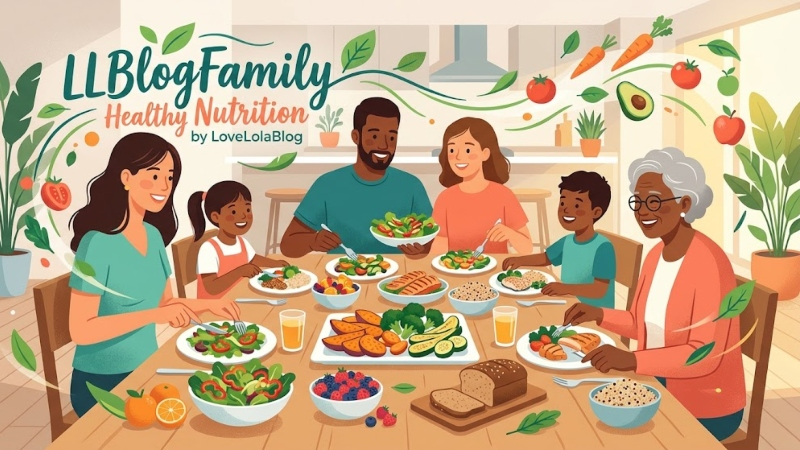
Dinner with kids is rarely calm. Someone hates the vegetables, someone else wants pasta again, and you’ve just walked in the door after a long day.
The good news is that LLBlogFamily healthy nutrition by LoveLolaBlog isn’t about overhauling anything. It’s about small habits that make ordinary meals a bit better, without costing much or taking much time.
Begin With the Food They Already Eat
Think about what your family actually eats in a normal week. That’s your starting point, not some new menu. Rice for dinner? Put lentils or an egg next to it. Sandwiches for lunch? Throw in an apple or a few carrots. That’s it. Nobody notices, and the meal is better.
Eggs, beans, yogurt, oats, fish and whatever fruit is in season all work well. Don’t judge a single plate too harshly. A week of meals tells you far more.
Know What You’re Cooking Before You Shop
Most grocery overspending comes from shopping with no plan. You buy things for a recipe, life gets in the way, and by Thursday you’re ordering food anyway. Look in the fridge first. Pick two or three dinners that use what’s already there, then buy the rest.
Make extra rice tonight and it becomes tomorrow’s lunch. Leftover chicken goes in a sandwich. Tired vegetables belong in soup or an omelet. No need for a full weekly chart. Just knowing tonight and tomorrow is plenty.
When Your Child Won’t Eat It
One bite, a grimace, and the plate gets pushed away. It’s frustrating, and the urge to say “you’re not leaving until it’s gone” is real. But it usually just makes dinner worse. Try a small spoonful of the new food beside something they like. Potatoes and broccoli, say. Serve both and say nothing about it. Don’t make the broccoli a deal for dessert.
Kids often need to see food many times before they’ll touch it. Let them watch you eat it. Let them wash the fruit or choose vegetables at the shop. If your child eats a very narrow range of foods, struggles with eating, or you’re worried about their growth, see a doctor.
Eating Well on a Budget
You don’t need a cart full of “health” products. Lentils, beans, eggs, oats, potatoes, cabbage and carrots do the job, and they’re cheap.
Buy produce in season, since it costs less. Compare prices on packaged food, because the same thing can vary a lot between brands. Freeze leftovers before they go off. Keep a few basics in the house so a quick dinner is always possible.
Frozen vegetables are fine, and often smarter than fresh ones that rot in the drawer. Canned beans save time too. If salt matters to you, read the label. Lentils, rice and vegetables make a solid dinner. It really is enough.
What a Balanced Meal Looks Like
Roughly: something with protein, something starchy, and vegetables or fruit. Eggs and toast with a banana in the morning. A chicken sandwich and carrots at lunch. Fish, potatoes and vegetables at dinner, or beans and rice with some cooked greens.
Portions will differ. A toddler and a grown man don’t eat the same amount, and that’s fine. Keep water around too. A jug on the table works better than reminding everyone to drink. Anyone told by their doctor to limit fluids should of course follow that.
Stop Fighting Over Food
Everyone wants something different. You can’t cook four dinners, and you shouldn’t try. Serve the parts separately instead. Rice here, chicken there, vegetables in a bowl, and people build their own plate. It works better than you’d think.
Try not to call foods “bad” or make a child feel guilty about a biscuit. Treats can sit in a normal week without any harm. Kids also watch you. If you eat a bit of everything, they’ll probably get there eventually, even if it takes a while.
Mistakes Worth Avoiding
Changing everything at once is the big one. It rarely lasts. Pick one thing, like fruit at breakfast, and start there. Spending on powders, special drinks and “superfoods” is another. Most families don’t need them.
Be careful with online diet advice too, especially anything promising fast results or telling you to cut out entire food groups. And don’t skip meals because the day got away from you. Keep yogurt, fruit, eggs or bread in the house for those days.
If someone in your family has diabetes, allergies, kidney disease or any condition that affects what they can eat, general tips won’t cover it. A dietitian or doctor can.
Last Word
Healthy meals don’t need to look impressive. Cook food your family likes, keep a few easy recipes you can make half asleep, and stay within your budget. Some nights will be chaotic and the dinner won’t be balanced. Fine. Over weeks, a decent variety is what counts.
Disclaimer: This article gives general nutrition information and isn’t personal medical advice. Please talk to a qualified healthcare professional about specific dietary needs or health conditions.

Fiza Nawaz is a writer and contributor at Panda Magazine, where she explores books, culture, lifestyle, wellness, and personal growth. Her writing focuses on presenting ideas in a clear, thoughtful, and reader-friendly way. She enjoys exploring meaningful topics, sharing useful perspectives, and turning interesting ideas into accessible content.